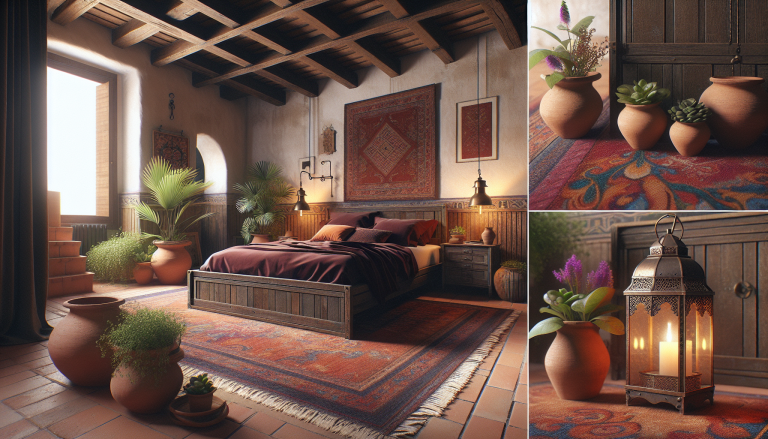
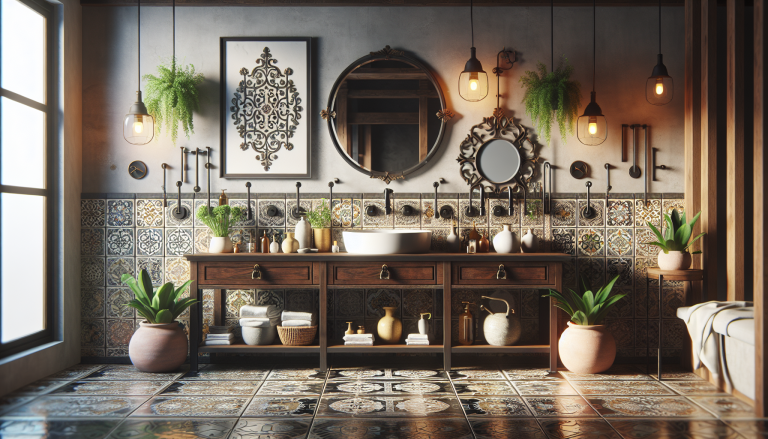
Spanish style interiors, with theirrich heritage rooted in Moorish architecture and their evolution through Spanish Colonial influences, stand out as a timeless choice in home décor. This design style is renowned for its simple yet sophisticated allure that seamlessly blends Mediterranean and Islamic influences into a uniquely vibrant and colorful palette. Characterized by features such as decorative wrought iron, arches, warm wood details, and succulent gardens, Spanish-style interior design creates an inviting atmosphere that echoes therustic charm of sunny patios and the solid sense of family typical of Mediterranean lifestyles.
In this article, we will explore the essential fabrics that capture the essence of Spanish style interiors, fromlush textiles and velvets tonatural and organic fabrics that highlight the style’s connection to earthy tones and warm colors. We delve into how these materials contribute to key elements of Spanish decor, such as Spanish living rooms and revival themes, and how they underscore the Mediterranean decor that is central to Spanish style house interiors. Our journey will also touch on the importance ofhandcrafted elements that enrich the Spanish style living room, drawing parallels withCalifornia Spanish style interiors and the broader Spanish Mediterranean interior design philosophy.
Rich Textiles and Velvets
Rich textiles play a pivotal role in crafting the aesthetic of Spanish style interiors, offering both elegance and warmth to any space. Here’s how these materials are integrated into the decor:
- Velvet Curtains and Upholstery:
- Velvet, a staple in Spanish interior design, is frequently used for both curtains and furniture upholstery. Its luxurious texture complements the intricate ironwork often seen in Spanish architecture, enhancing the overall opulence of the room.
- In more formal settings, upholstery may also feature leather, adorned with rich velvets for a truly sumptuous look.
- Floor Treatments:
- Elegant interiors often showcase richly colored carpets, strategically placed over tiled or wooden floors to add depth and texture to the living spaces.
- Diverse Textile Decor:
- To fully embrace the Spanish style, incorporating various textiles around the room is key. Full-length velvet window treatments add a touch of grandeur, while Old World-style wall tapestries bring in historical depth.
- Accentuating these features with oriental or Navajo rugs, along with fabrics on accent pillows, throws, and bedding that include patterns influenced by the Middle East, Africa, and Mexico, ensures a vibrant and culturally rich environment.

Wrought Iron Accents
Wrought iron, a hallmark of Spanish style interiors, is celebrated for its versatility and aesthetic appeal, enhancing both the functionality and elegance of living spaces. Here are some key applications of wrought iron accents in Spanish style interiors:
- Architectural Elements:
- Doors and Windows: Wrought iron is commonly used in arched doorways and windows, not only adding security but also embellishing these structures withintricate designs that capture the essence of Spanish architecture.
- Railings and Balconies: Incorporating wrought iron in stair and balcony railings offers both safety and a sophisticated look, often featuringelaborate scrollwork or geometric patterns typical of Spanish design.
- Gates: Entry gates made of wrought iron serve as a grand welcome while providing privacy and security, often adorned withtraditional motifs or custom designs.
- Interior Decor:
- Light Fixtures: Chandeliers and wall sconces crafted from wrought iron are frequently used to makebold statements. These fixtures not only illuminate spaces but also serve as central decorative elements in Spanish-style homes.
- Furniture Pieces: Tables, chairs, and bed frames in wrought iron blend durability with style, often featuringornate details that complement other rustic elements in the room.
- Fireplace Accents: Utilizing wrought iron for accessories like fireplace screens and tools adds a touch ofrustic charm, enhancing the cozy atmosphere typical of Spanish interiors.
- Decorative Accents:
- Wall Decor: Decorative wall panels and hangings in wrought iron can transform plain walls into focal points, addingtexture and historical depth to the interior design.
- Pottery and Plant Holders: Wrought iron stands for pottery and plants not only support greenery but also integrate natural elements seamlessly into the home, echoing the Spanish affinity for indoor-outdoor living.
These wrought iron elements, whether left in their natural state or painted to complement interior color schemes, contribute significantly to theauthentic charm and enduring beauty of Spanish style interiors.
Vibrant Patterns
Vibrant colors and intricate patterns are quintessential elements in Spanish style interiors, reflecting the culture’s rich history and artistic influences. Here’s how these patterns are incorporated into various decor elements:
- Fabric and Textile Designs:
- Common Materials: Linen and cotton are popular choices, often featuringbold, unadorned colors or decorated with vibrant patterns.
- Cultural Reflections: Textiles often showcasebright colors like reds, oranges, yellows, and blues, which are not only visually striking but also culturally significant, reflecting Spanish traditions in art and decoration.
- DIY Decor: For those who enjoy custom home projects, Spanish patterns lend themselves well to DIY endeavors such asrepurposed ottomans and fabric cubes, adding a personal touch to the decor.
- Tiles and Ceramics:
- Handcrafted Tiles: These often beartraditional Spanish designs, including geometric and floral motifs, which are essential for adding authentic Spanish character to any space.
- Azulejos Patterns: Theseintricate, geometric designs typically feature blue and white colors, inspired by the ceramic tiles that adorn many Spanish buildings, bringing a historical and cultural depth to interiors.
- Painted Talavera Tiles: Used as color accents, these tiles enhance the Spanish aesthetic in homes, perfect for creating focal points or adding a splash of color.
- Pattern Usage in Home Decor Items:
- Extensive Variety:Spanish patterns are available in various forms including fabric by the yard, wallpaper, and home decor items like curtains, bedding, and dining accessories.
- Examples of Designs: Notable patterns includeSpanish Pomegranate by gingerlique, Spanish Tile Mosaics by elramsay, and Faux Spanish Tile by argyleimp, each offering unique stylistic elements that cater to diverse tastes.
These vibrant patterns and colors not only beautify the space but also serve as a bridge connecting the modern home with traditional Spanish cultural elements.
Natural and Organic Fabrics
In the realm of Spanish style interiors, the use of natural and organic fabrics plays a crucial role in enhancing the warm, earthy aesthetics that are characteristic of this design philosophy. Here are some key ways these materials are integrated into the decor:
- Essential Fabrics:
- Linen and Cotton: These fabrics are often chosen for theirbreathability and natural feel, making them perfect for the warm climates typically associated with Spanish interiors. They are frequently left in their natural, unadorned state or are subtly enhanced with bold patterns to add a touch of vibrancy.
- Wool and Silk: For a touch of luxury and additional texture, wool and silk are also incorporated, providing both comfort and style.
- Sustainability and Craftsmanship:
- Many of the materials selected are not only natural but alsosustainably sourced, reflecting a commitment to environmental stewardship. This approach is in line with thetraditional craftsmanship that is a hallmark of Spanish style decor, where the quality and origin of materials are highly valued.
- Design Applications:
- Textured and Woven Fabrics: To enhance the tactile experience,textured or woven fabrics like jute or rattan are used in various decor elements, from window treatments to upholstery. These materials add a layer of depth and interest to the space, reinforcing the organic feel.
- Natural Color Palettes: In keeping with the earthy tones typical of Spanish interiors, these fabrics are often selected inwarm colors. They work harmoniously with textured walls and rustic elements like wooden beams and antique brickwork to create a cohesive and inviting atmosphere.
- Accent Pieces: Incorporating natural materials in accent pieces such as rattan chairs, wicker baskets, and jute rugs not only adds functionality but also serves as a nod to theindoor-outdoor living that is prevalent in Spanish design.
By thoughtfully integrating these natural and organic fabrics, Spanish style interiors achieve a balance of rustic charm and modern elegance, making them timeless yet adaptable to contemporary living spaces.
Earthy Tones and Warm Colors
In the enchanting realm of Spanish style interiors, earthy tones and warm colors play a fundamental role in creating an inviting and vibrant atmosphere. These hues are deeply influenced by the natural landscape and traditional materials used in Spanish architecture and design. Here’s a closer look at how these colors shape the aesthetic of Spanish style interiors:
- Foundation of Earthy Tones:
- Terracotta and Saffron: These colors are staples in Spanish design, providing a warm base that reflects the earthy landscapes of Spain.
- Olive and Deep Greens: Drawing inspiration from the lush vegetation, these colors add depth and a touch of nature inside the home.
- Stucco Walls: Traditionally used in Spanish homes for their cooling properties, these are often featured in soft white or layered with warm tones to enhance the rustic charm.
- Warm Color Highlights:
- Deep Reds and Oranges: These vibrant hues are commonly used in rustic Spanish interiors, creating a cozy and welcoming environment.
- Accent Colors:Turquoise green, blue, and yellow are used as accent colors, adding vibrancy and a modern twist to the traditional color palette.
- Neutral Backdrops: Whites and natural wood hues often serve as the backdrop, allowing the warmer tones to stand out.
- Modern Spanish Influences:
- Contemporary Palette: Modern Spanish interiors may incorporate a mix of traditional earthy tones with modern aesthetics, featuring cleaner lines and updated color combinations.
- Manganese Saltillo Tiles: These tiles display arange of light to dark browns with hints of Merlot, providing a subtle yet rich flooring option that complements the modern Spanish look.
By integrating these colors thoughtfully, Spanish style interiors achieve a balance of traditional charm and contemporary elegance, making them timeless and appealing. The use of organic pigments ensures that the colors not only beautify but also maintain anauthentic connection to Spanish cultural heritage.
Outdoor and Upholstery Fabrics
In the enchanting world of Spanish style interiors, selecting the right outdoor and upholstery fabrics is essential for achieving both aesthetic harmony and practical durability. Here are the types of fabrics ideal for these applications:
Outdoor Fabrics
- Sunbrella and Outdura:Known for their durability and ease of maintenance, these brands lead the market in outdoor fabric solutions. Their products are designed to withstand harsh weather conditions while maintaining comfort and style.
- Material Choices:
- Polyester: Celebrated for its strength and vibrant color options,polyester is also UV-resistant and water-resistant, making it a superb choice for outdoor furniture.
- Olefin Fabrics: With inherent qualities such as mold and mildew resistance and high durability against water damage,olefin is perfect for areas exposed to the elements.
- Solution-Dyed Acrylic: These fabrics are lightweight, quick-drying, and exceptionally resistant to water, mold, mildew, and UV rays, making them ideal for outdoor use.
Upholstery Fabrics
- Functional and Stylish:Upholstery fabrics are used extensively in covering furniture pieces like seats and cushions, where both aesthetics and comfort are paramount.
- Durable Choices:
- Acrylic: Known for its moisture-wicking and quick-drying properties,acrylic is a top choice for outdoor upholstery due to its ability to resist weathering, stains, and fading.
- Sunbrella Upholstery Fabrics: These fabrics offer enhanced weather resistance and are mildew resistant, ensuring that outdoor furniture remains in top condition without succumbing to the elements.
Special Features of Recommended Fabrics
- Colorfastness and Style:Sunbrella fabrics are particularly noted for their fade-proof colors, which remain vibrant despite prolonged sun exposure. This feature is crucial for maintaining the aesthetic appeal of outdoor spaces.
- Ease of Maintenance: Theeasy-clean nature of these fabrics means that everyday spills and stains can be managed without hassle, preserving the look and quality of the furniture.
- Warranty and Trust:Sunbrella’s limited 5-year warranty reflects confidence in the longevity and durability of their outdoor fabrics, reassuring consumers about the quality of their investment.
By carefully selecting the right fabrics, such as those offered by Sunbrella and Outdura, one can ensure that outdoor and upholstery elements not only complement the Spanish style interiors but also stand up to the demands of outdoor environments. This integration of style and functionality is key to creating inviting and durable outdoor living spaces.
Handcrafted Tiles and Textiles
In the enchanting world of Spanish style interiors, handcrafted tiles and textiles play a pivotal role in enhancing the aesthetic appeal and authenticity of the design. Here’s a closer look at how these elements contribute to the overall charm:
Handcrafted Tiles
- Durability and Design:
- Made in Spain, these tiles are celebrated for theirexceptional durability and unique designs, which make them a popular choice for both flooring and decorative accents in homes.
- Prices vary,ranging from $15 to $50 per tile, influenced by the size and intricacy of the design.
- Environmental Impact:
- The traditional methods used in crafting these tiles ensure alower environmental impact compared to modern manufacturing processes, aligning with eco-friendly design principles.
- Customization and Accessibility:
- Customers have theoption to place custom orders, choosing the design, size, and material to suit their specific needs, with a minimum order quantity and lead time required.
- These bespoke tiles areavailable for purchase online and in select stores, with worldwide shipping options available, though costs vary by location.
Handcrafted Textiles
- Variety and Craftsmanship:
- Spain is also home toexquisite handwoven textiles, including rugs, throws, and pillows, which are crafted using age-old techniques.
- Thecost of these textiles ranges from $50 to $200, depending on the size and materials used, reflecting the quality and craftsmanship involved.
- Decorative Applications:
- These textiles can be used to add a layer of warmth and texture to any room, enhancing the rustic yet elegant charm typical of Spanish interiors.
- From vibrant throws to intricately patterned pillows, these elements serve as both functional and decorative pieces, contributing to the overall thematic consistency of the space.
Special Features and Applications
- Saltillo and Decorative Tiles:
- Saltillo tile, available in various shapes and sizes, is ideal for creating a rustic or antique look, perfect for floors and architectural features like staircases.
- TheAntique Riviera bathroom Saltillo tile offers a textured surface that mimics reclaimed terracotta, adding an old-world charm to any space.
- Cantera and Talavera Tiles:
- Cantera niche surrounds, combined with painted Talavera tiles, create quintessential spaces for displaying artwork or achieving creative effects with accent lighting, enhancing the artistic flair of the interior.
These elements, when integrated thoughtfully, not only reinforce the aesthetic authenticity of Spanish style interiors but also infuse spaces with a sense of history and craftsmanship, making each design uniquely personal and environmentally considerate.
Conclusion
Throughout this exploration of Spanish style interiors, we’ve traversed thevibrant landscape that defines this unique andenduring design ethos. From the plush textures of rich textiles and velvets to the rustic elegance of wrought iron accents, each element plays a pivotal role in crafting environments that are both inviting andculturally rich. The incorporation of natural and organic fabrics along with the strategic use of color illustrates a deep respect for the earthy origins of Spanish design, ensuring that each space not only appeals visually but also resonates with warmth and authenticity.
As we conclude our journey into the heart of Spanish style interiors, it’s clear that the charm of this design philosophy lies in its ability to seamlessly blend tradition with modern sensibilities. The emphasis on handcrafted tiles and textiles underscores acommitment to quality and sustainability, proving that beauty and environmental stewardship can go hand in hand. By marrying the past with the present, Spanish style interiors offertimeless appeal, inviting us to create spaces that are not only aesthetically pleasing but alsorich in history and meaning.
FAQs
1. What defines the Spanish style in interior design?
Spanish style interior design beautifully merges traditional Spanish elements with the simplicity and elegance of modern design. It features natural materials, earthy color schemes, and detailed craftsmanship, all complemented by modern furniture and decor.
2. What are ideal color choices for Spanish style homes?
For Spanish style homes, popular color choices include rich and warm shades such as beige, deep yellow, red, purple, pink, and white. These colors harmonize well with the natural elements like stone, rock, or ceramic tiles typically used in the flooring of these homes.
3. Can you explain what Spanish eclectic style is?
Spanish eclectic style is a unique blend of Native American, Mexican, and Spanish missionary influences. This architectural style began to emerge in America with the early Spanish settlers, incorporating various cultural elements into the design of their homes.
4. What color palette is typical of Spanish Mediterranean interiors?
The color palette for Spanish Mediterranean interiors includes organic reds and greens, complemented by earthy reds, browns, mid-tone blue-greens, and dark grays. These colors enhance the traditional features of Spanish homes, such as stucco walls, tile roofs, balconies, and fountains.